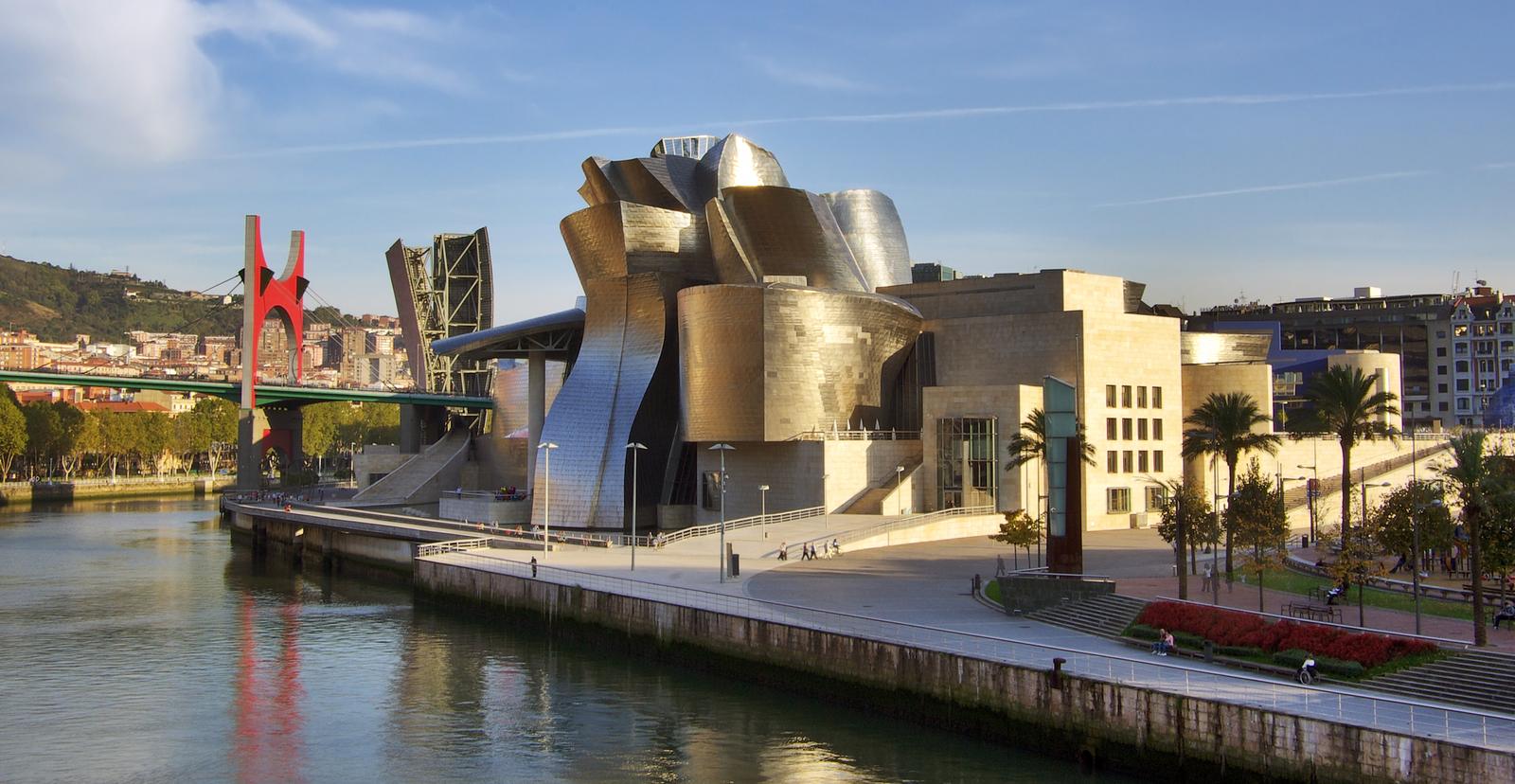
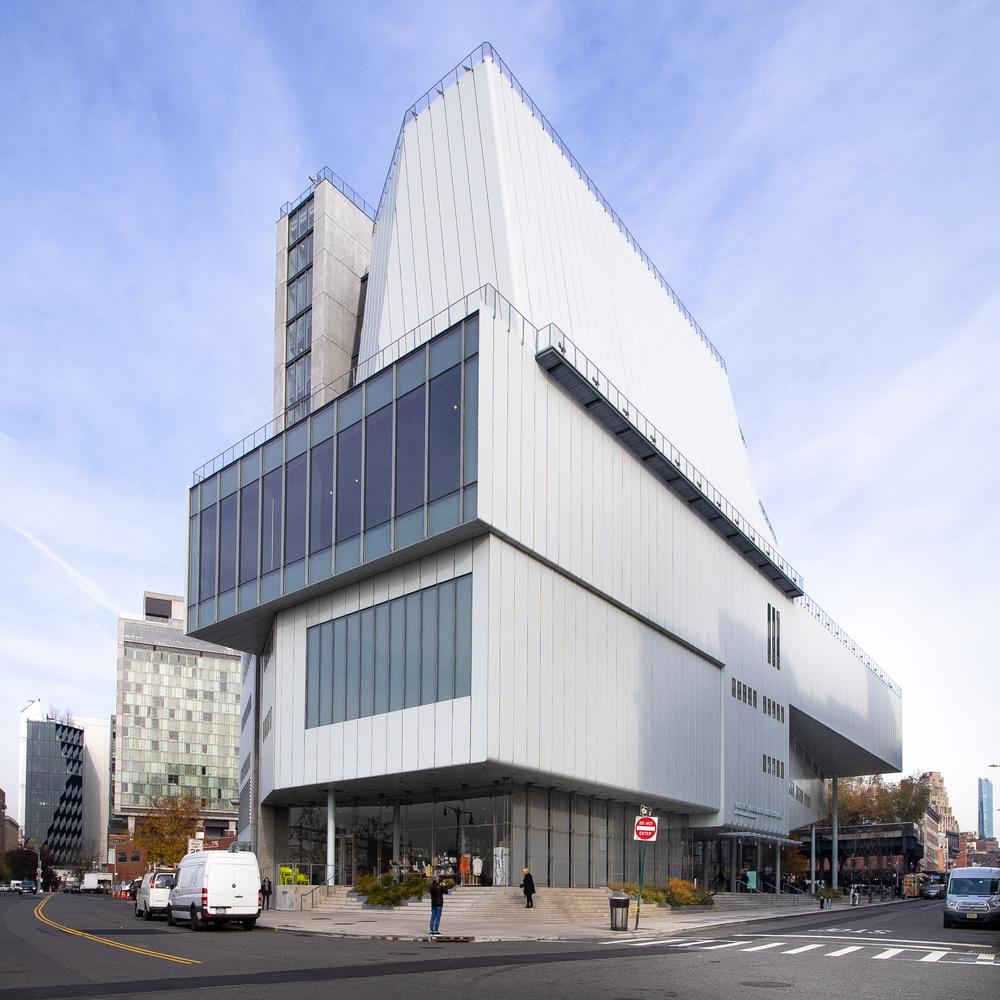
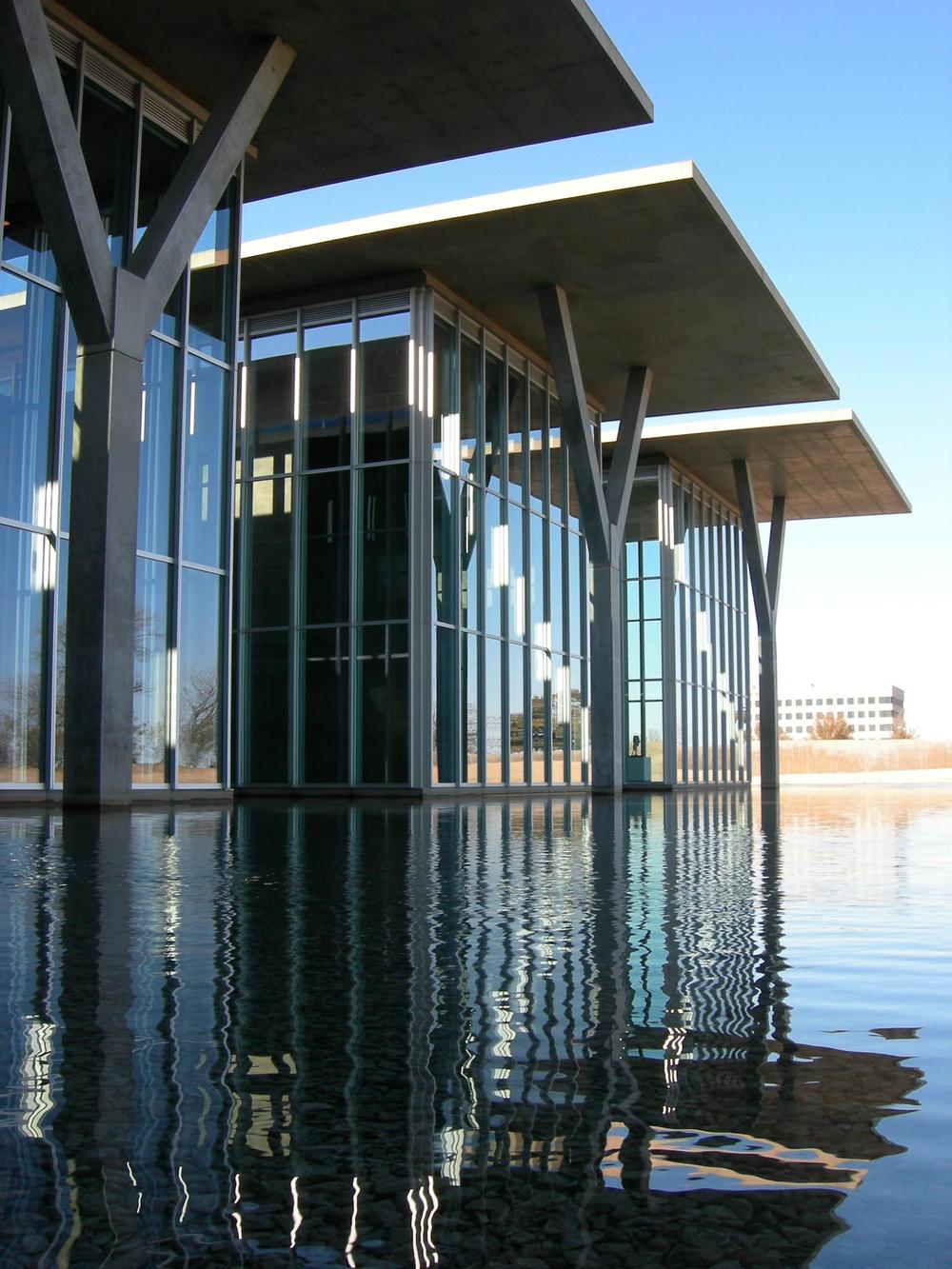
The museum used to be imagined as a sealed box: stable temperature, stable humidity, stable light. That logic produced many unforgettable buildings, but it also made culture energy-hungry by default. Today, a more nuanced idea is entering briefs and design reviews. The best museums are being conceived less as containers and more as climate moderators.
That shift is visible before a visitor reaches the lobby. Overhangs are deeper. Entrances are shaded instead of exposed. Glass is used more selectively, often recessed, layered, or paired with screens that soften gain without flattening the building’s character. Architects are spending more time on threshold conditions—the plaza, the stair, the canopy, the compressed vestibule—because those spaces can reduce thermal stress while also making arrival feel more ceremonial.
The change is not purely technical. It has altered the visual language of contemporary cultural buildings. Facades are becoming thicker, more articulate, and more spatial. Surfaces once treated as graphic statements now behave like filters. Instead of the sleek, indifferent skin that became common in late-twentieth-century civic architecture, a newer museum often looks layered, inhabited, and tuned.
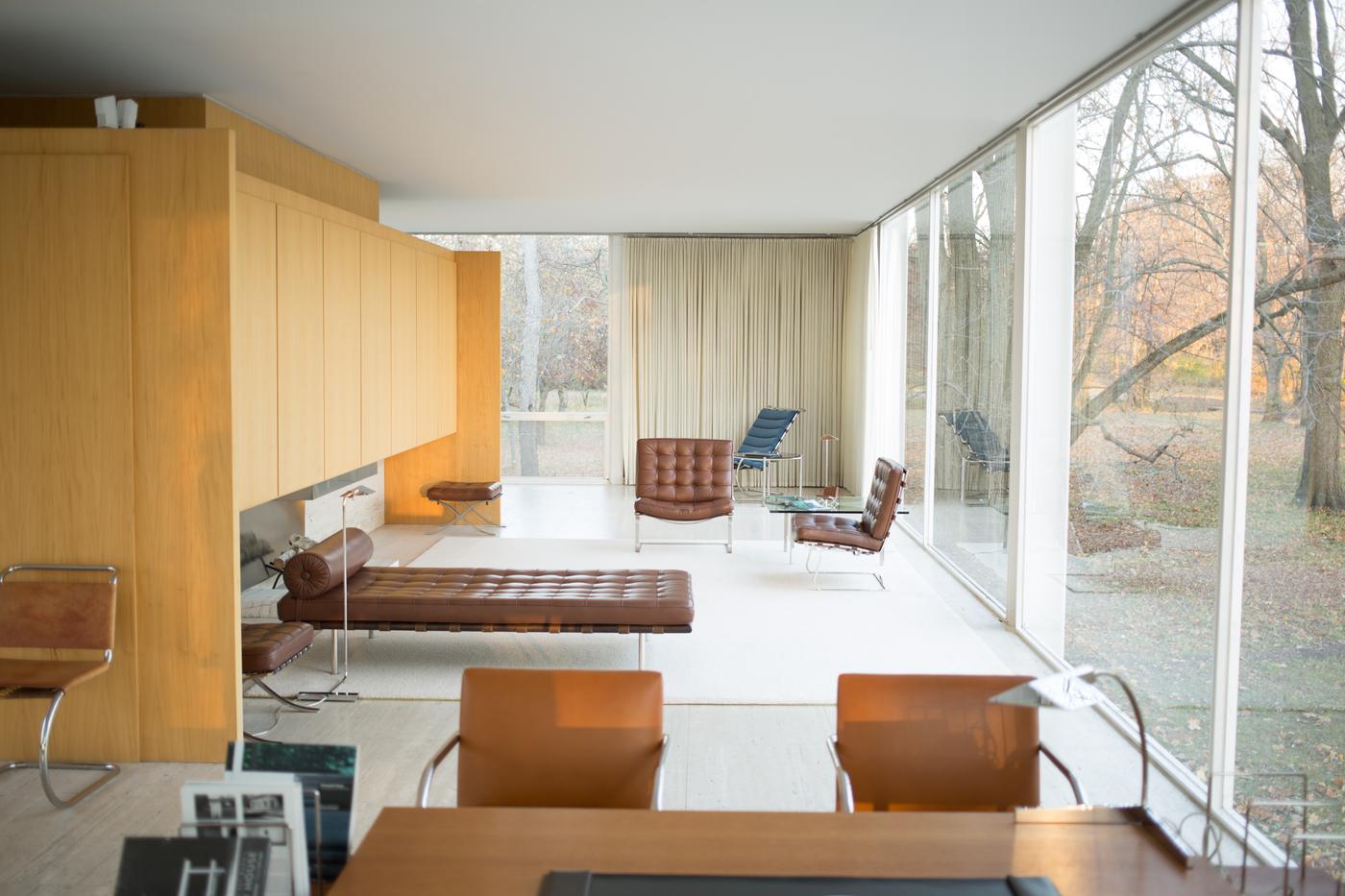
Interiors are changing with the same discipline. Designers are learning that comfort is not only about air temperature. It is also acoustic softness, glare control, legible circulation, and the ability to move from brighter public zones into calmer rooms without abrupt transitions. In well-resolved projects, visitors may not consciously register the performance strategy, but they feel its effect in the pacing of the visit.
Form as environmental control
A generation ago, museum ambition often appeared as a battle between neutrality and iconography. Today, the argument is more practical and more interesting. Can a memorable building also lower its dependence on active cooling? Can a dramatic roofline create shade where it matters most? Can a courtyard do environmental work as well as spatial work? These questions are producing architecture that looks more generous because it is asked to behave more intelligently.
This is one reason deep sections have returned to architectural conversation. Thick walls, layered circulation, protected terraces, screened facades, and buffer zones offer designers more ways to temper conditions before air reaches the galleries. The resulting buildings often feel more substantial and less brittle. They have depth in the literal sense, but also in the emotional one.
Project notes
- Solar control is increasingly handled through massing and facade depth rather than relying on darker glass alone.
- Arrival sequences are being redesigned as shaded transitions that reduce glare, calm movement, and improve first impressions.
- Mechanical systems still matter, but they perform better when the building envelope already moderates extremes.
Museums have a particular reason to embrace this approach: they are public buildings where comfort, atmosphere, and conservation all overlap. A room that is too bright is tiring for people and risky for objects. A lobby that overheats under afternoon sun becomes less welcoming, no matter how photogenic it appears in renderings. The new emphasis on passive moderation is not an aesthetic constraint. It is a way of making civic architecture more credible.
Why the urban context matters more
Climate-responsive design also changes how museums meet the city. Standalone icons placed on empty plazas are less persuasive than they once were. Urban design now matters because the route into a building, the shading of adjacent streets, and the proximity of public transport all shape the building’s environmental performance and its social usefulness. A museum that forms part of a walkable district can extend its identity beyond its walls.
This is where district planning and architecture meet. The most compelling recent projects are not isolated as singular masterpieces. They sit inside sequences of streets, gardens, arcades, and neighboring institutions. Their power comes from rhythm and adjacency. The city cools the building, and the building enriches the city in return.
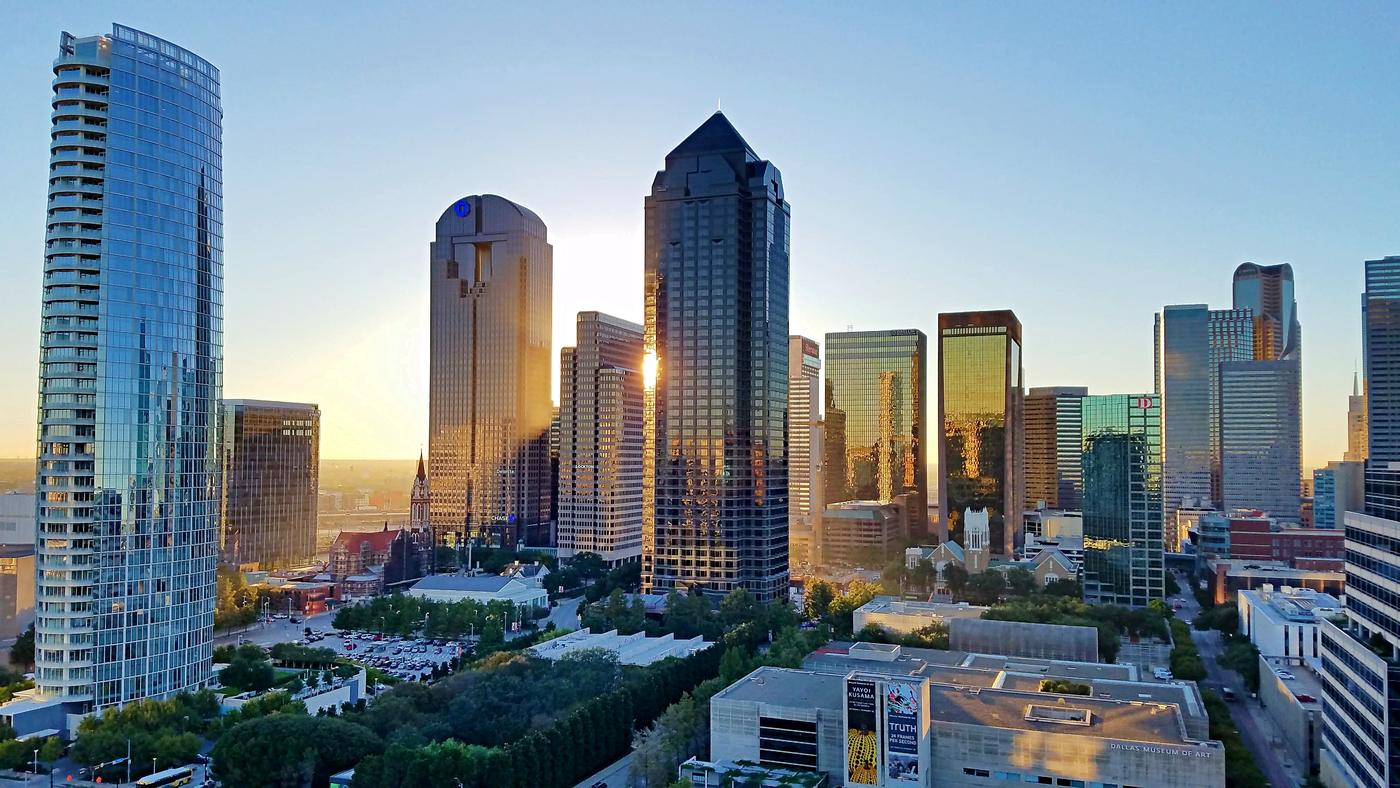
In practice, that means museum design is becoming less object-driven and more civic in temperament. Covered walks, planted edges, and carefully framed public thresholds now do more than embellish the composition. They extend dwell time, improve comfort, and create an urban atmosphere that feels cultivated rather than simply branded.
A quieter idea of luxury
There is also a cultural shift behind all of this. Prestige is no longer tied only to visual excess. Increasingly, it is attached to control, calm, and longevity. Clients want buildings that will still feel authoritative in twenty years, not just photogenic at opening. That has encouraged warmer materials, lower visual noise, and more robust detailing.
Evening entrances, softly lit stone, weather-protected terraces, and rooms with moderated daylight all contribute to a different kind of civic luxury—one based less on surprise and more on confidence. A successful museum still needs presence, but the presence now comes from poise: the sense that every threshold, finish, and environmental decision belongs to a coherent whole.
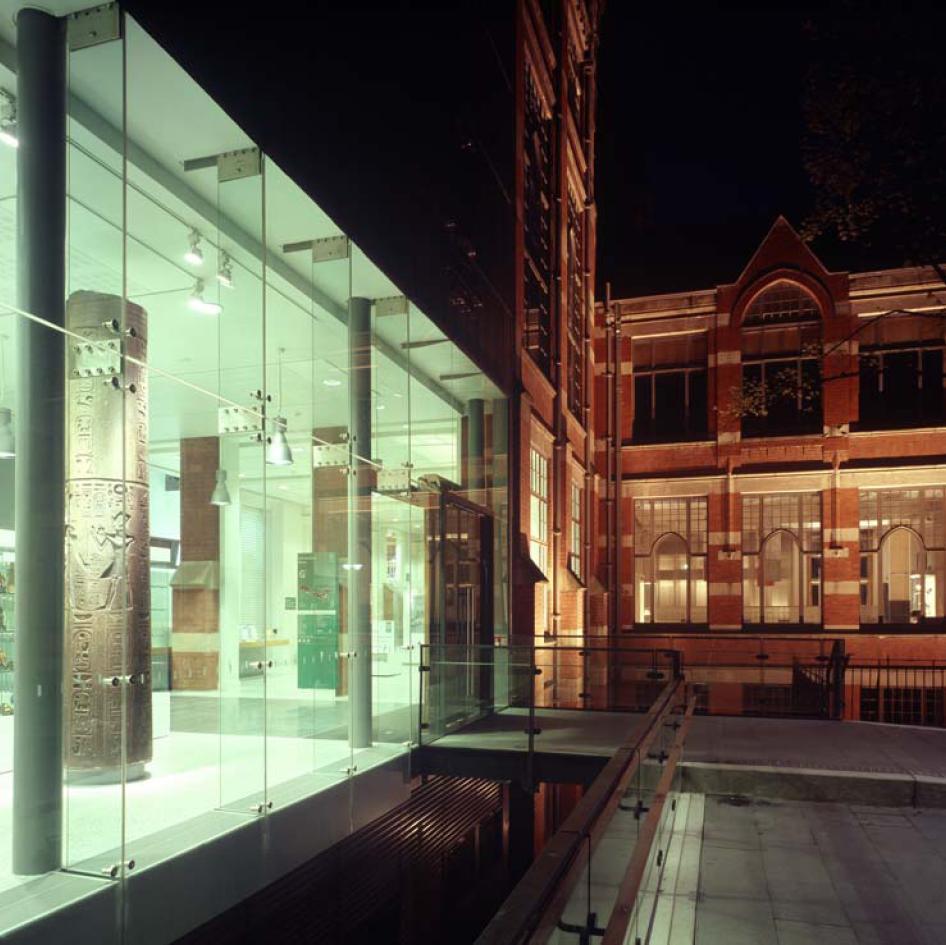
That is why climate-responsive museums are so visually compelling. They are not simply efficient buildings. They often look better because the design has to account for exposure, transition, depth, and occupation. The formal richness comes from responsibility. The beauty is partly a consequence of the building doing more of its own work.
For architecture, this may be the most important lesson of the moment. Sustainability is no longer a technical appendix attached to a finished concept. It is reshaping the concept itself. The buildings that feel most contemporary are not the ones that ignore the climate in pursuit of purity. They are the ones that turn climate into form.